Dec 15, 2017 | Interviews
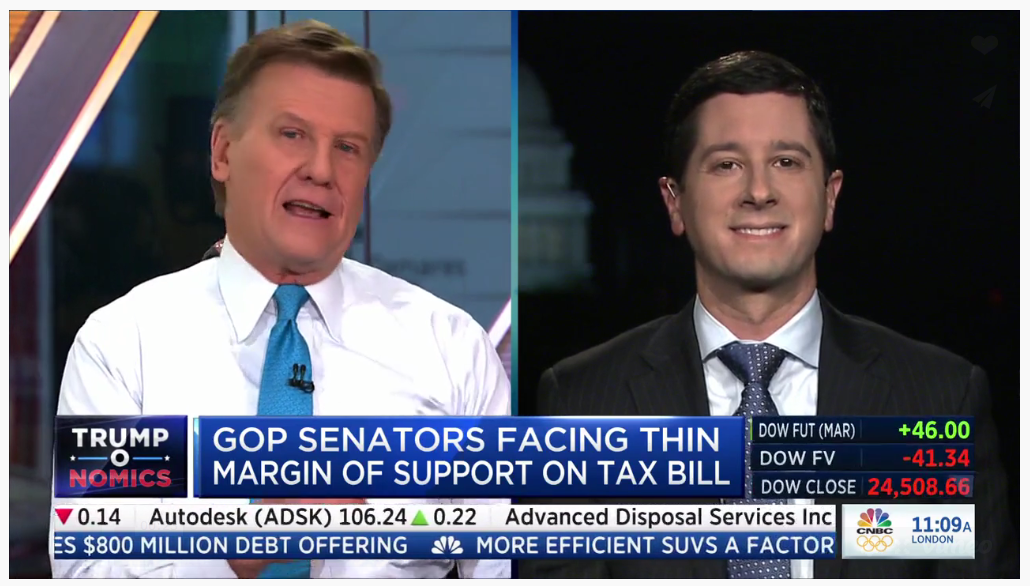
“There are all sorts of changes, international, regular C Corp, these pass through provisions for smaller businesses, and of course on the individual side. Everyone is going to be affected. The truth is, I think a lot of the middle class are going to be affected by a relatively small degree. The code is changing in many ways. Most of them will be better off, can’t guarantee that everyone will be better off…. I think the complexity of the tax code is shifting from the middle class, they’ll have a simpler system, but it’s shifting up to higher income individuals. And for many high income individuals, this pass-through provision is going to be more complex for them.”

Dec 11, 2017 | Op-Eds
Lawmakers are on the verge of fundamentally updating the international provisions of the US tax code. Currently, we have a worldwide system, under which profits US firms earn abroad are subject to US tax minus a credit for foreign taxes paid and subject to a deferral until repatriation. In an effort that began in 2011 with draft legislation from former Ways and Means Chairman Dave Camp, Republicans have been determined to transform the US tax code into a territorial system, under which active income earned abroad is generally exempt from US tax.

Dec 6, 2017 | Interviews
“The bills both in the House and the Senate not only reduce the corporate C corporation tax rate from 35 to 25%, the issue we have been discussing, but both bills create a lower tax rate for pass through businesses: sole proprietorships, S corps, LLCs. Not all LLC’s will get that pass through. Not all pass throughs will get that break. But there is a large explicit tax break for small businesses. With respect to the question about deductions, those deductions will remain. Business deductions will remain deductible. Other deductions for individuals, some of them are being curtailed, but not on the business side.”

Dec 1, 2017 | Op-Eds
Congress is deeply entrenched in an effort to reform the federal tax code. Central to this effort is a desire to lower the U.S. corporate tax rate from 35 percent to 20 percent — a level on par with the rest of the developed world. Policymakers are keenly aware of the competitive advantages this change could bring based on similar rate changes across Europe and around the globe.
Nov 30, 2017 | Analysis
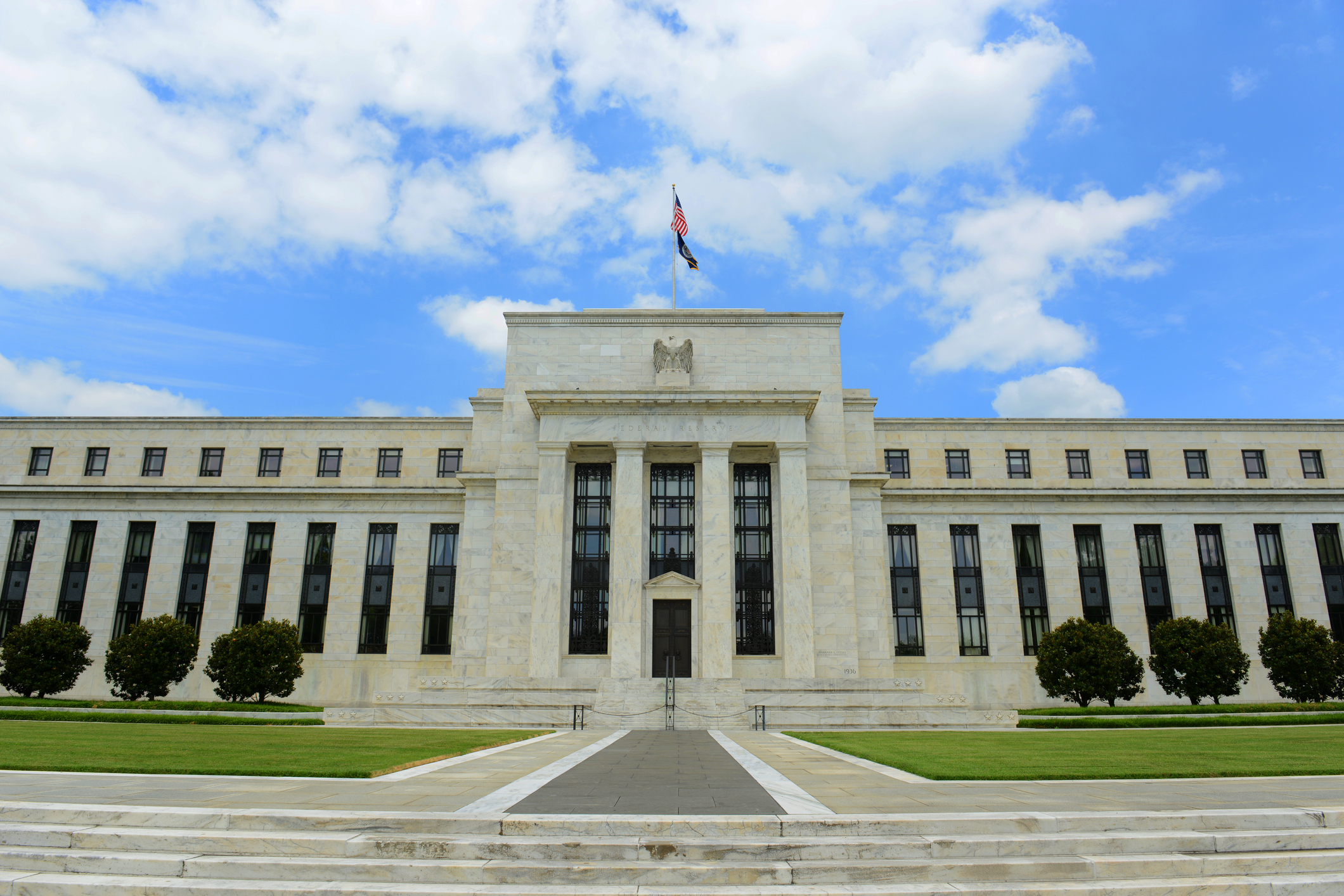
The United States is slowly but surely headed toward a federal debt crisis certain to inflict serious economic hardship on future generations. Today, the amount of federal debt held by the public stands at $14.8 trillion (all figures in this paper are in US dollars). While the US economy is expected to grow 76 percent in the next 30 years, that debt burden will, in inflation-adjusted terms, increase by over 240 percent during that time. Returning to a sustainable fiscal outlook will require hard choices and a clear understanding of both what led us to this point and the economic consequences of inaction.