Nov 9, 2017 | Op-Eds
The prospect of major tax reform that broadens the tax base and lowers tax rates has the residential housing industry in panic mode. The National Association of Realtors recently called the House tax bill “an outright assault on homeownership in America.” Separately, a study commissioned by the Realtors warns that comprehensive tax reform would result in an average drop in home values of 10%. But the reality is that the housing market will be fine if the House Republican tax plan is enacted.

Nov 7, 2017 | Testimony
We are scholars at the American Enterprise Institute, a nonpartisan, nonprofit policy research entity. Dr. Satel is a practicing psychiatrist who has studied and researched a broad range of matters related to mental health policy and addiction, including tobacco harm reduction. Mr. Brill is an expert in public finance and health economics, with a concentration in the economic and public health implications of smoking and its alternatives. The views expressed here are ours alone and may or may not reflect the views of our colleagues.
Oct 26, 2017 | Events
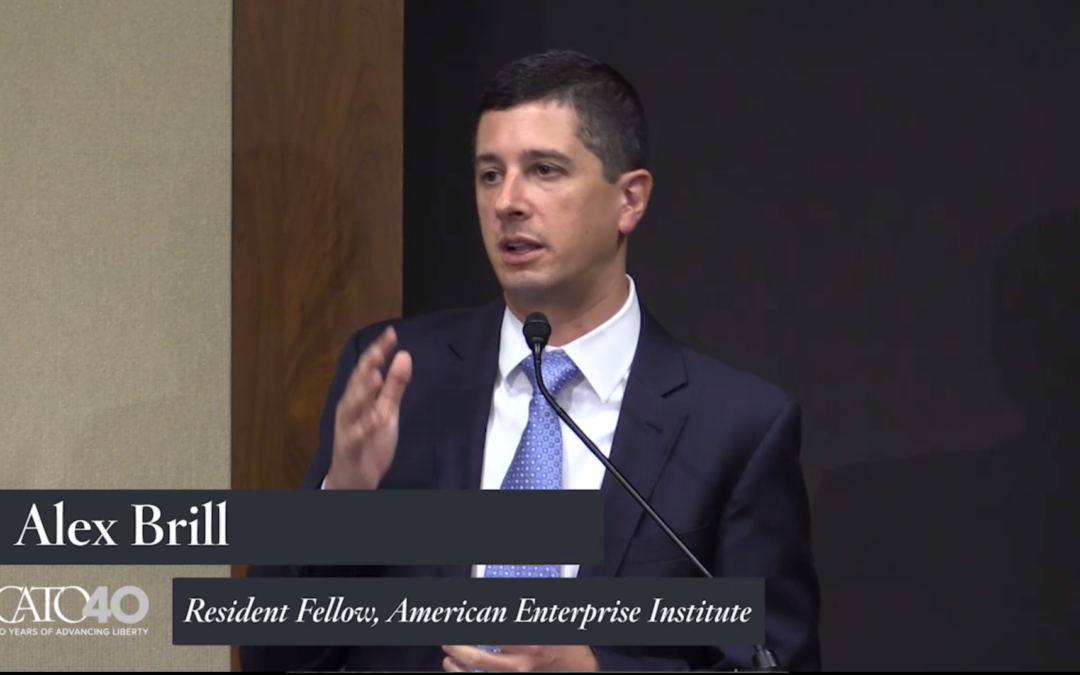
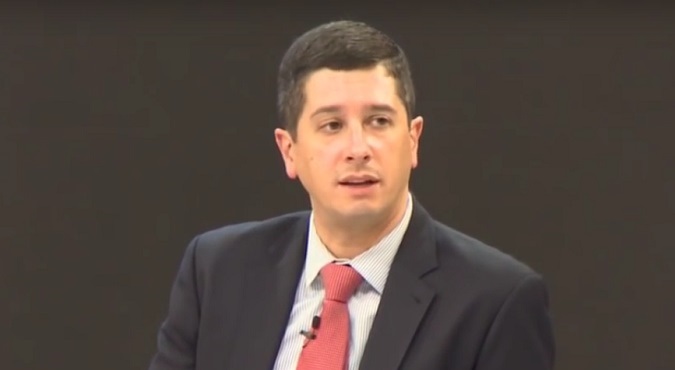
While speaking as a panelist, Alex Brill says, “we can have a tax reform that is net positive for the overall economy. With a better system, one different from the system we have today, the size of the US economy will be larger than it otherwise would be. It will take time from the day of enactment to the day that that effect is fully realized. And during that period of time, the economy will grow faster and then it will reach this new higher level that it otherwise wouldn’t reach and we will all be better off as a result of that.”
Oct 20, 2017 | News
“[Alex] Brill explained that it might be the right moment for tax reform. He expected a bipartisan bill to emerge early next year to serve as the latest in a cycle of tax policies that should help stimulate the US economy, but added that he isn’t holding his breath. “It’s been 31 years since lawmakers did something called tax reform,” Brill said.”

Oct 16, 2017 | Analysis
“As the result of this infuriating tactic, patients, insurance companies and the federal government pay an additional $5.4 billion annually on drugs, according to a study by Matrix Global Advisors for the Generic Pharmaceutical Association.”